What Is Insomnia? Symptoms, Causes, Types and Treatment
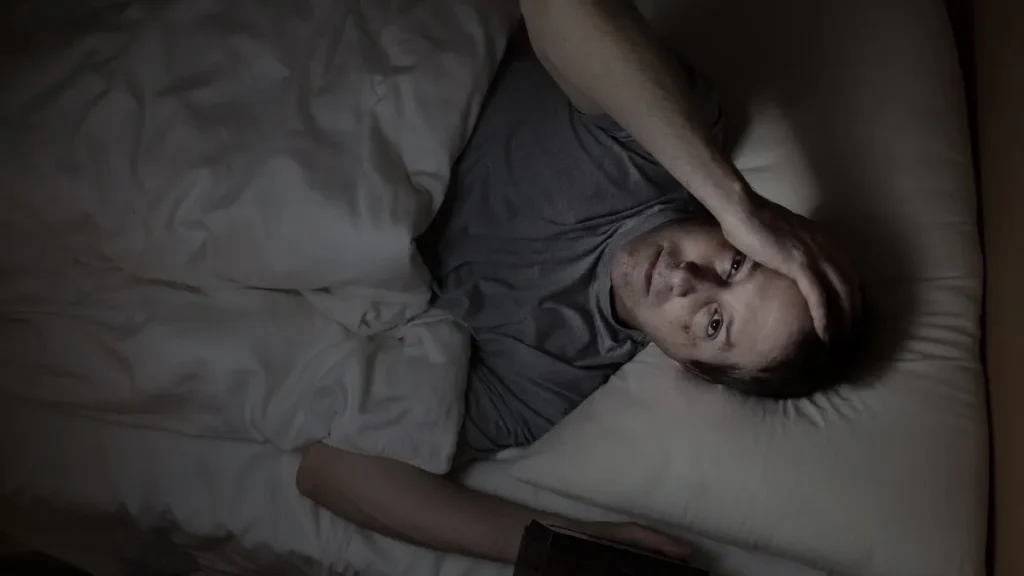
What Is Insomnia? Symptoms, Causes, Types and Treatment
Have you ever been exhausted at bedtime but still couldn’t fall asleep?
Or perhaps you fall asleep easily but wake up several times during the night and struggle to return to sleep. You may even wake much earlier than planned and feel tired throughout the following day.
These are some of the experiences associated with insomnia, one of the most common sleep problems.
Insomnia isn’t simply about getting fewer hours of sleep. It can involve difficulty falling asleep, staying asleep, waking too early, or getting sleep that doesn’t feel restorative despite having enough opportunity and a suitable environment for sleep. It can also affect concentration, mood, energy and everyday functioning.
The good news is that insomnia can often be addressed. Understanding what’s behind your sleep difficulties is an important first step.
What Is Insomnia?
Insomnia is a sleep disorder in which a person has ongoing difficulty falling asleep, staying asleep, or getting good-quality sleep despite having an adequate opportunity and environment for sleep.
Someone with insomnia may:
- Take a long time to fall asleep
- Wake repeatedly during the night
- Wake earlier than intended
- Have difficulty going back to sleep
- Feel tired despite spending enough time in bed
- Worry about sleep
- Have difficulty concentrating during the day
- Experience changes in mood or daytime functioning
Insomnia can occur by itself or alongside another medical condition, mental health condition, medication, or sleep disorder.
Importantly, an occasional bad night doesn’t automatically mean you have insomnia.
Temporary sleep problems are common. Stress, travel, illness, changes in routine or an upsetting event can cause a few nights or weeks of disrupted sleep.
The pattern and duration matter.
What Does Insomnia Feel Like?
Insomnia doesn’t feel exactly the same for everyone.
Some people describe lying awake for hours even though they’re exhausted. Others fall asleep normally but wake at 2 AM, 3 AM or 4 AM and can’t get back to sleep.
You might also notice that your relationship with sleep starts to change.
Instead of thinking:
“I’m going to bed to rest.”
You might start thinking:
“What if I can’t sleep tonight?”
That worry can make bedtime feel stressful.
You may find yourself watching the clock, calculating how many hours remain before you need to wake up, or becoming frustrated because you’re still awake.
Over time, the bedroom itself can begin to feel associated with wakefulness and worry rather than relaxation.
This is one reason behavioral treatments such as CBT-I focus not only on sleep habits but also on thoughts and behaviors that can maintain insomnia.
Common Symptoms of Insomnia
The symptoms of insomnia can occur at night, during the day, or both.
1. Difficulty falling asleep
You may lie in bed feeling tired but remain awake for a long time.
2. Waking during the night
You may fall asleep normally but wake one or several times and struggle to return to sleep.
3. Waking too early
You may wake before your intended wake-up time and be unable to fall asleep again.
4. Feeling tired during the day
Poor sleep can leave you feeling tired, sleepy or lacking energy.
5. Difficulty concentrating
You may find it harder to focus on work, school, conversations or everyday tasks.
6. Memory difficulties
Sleep problems can affect your ability to remember and process information.
7. Mood changes
Insomnia can be associated with irritability, anxiety, low mood or frustration.
8. Worrying about sleep
You may spend significant time thinking about whether you’ll sleep or how tired you’ll feel the next day.
These symptoms are commonly associated with insomnia and can affect quality of life and daytime functioning.
What Causes Insomnia?
There isn’t always one single cause.
Sometimes a clear event triggers insomnia. In other situations, several factors combine.
Common contributors include:
Stress
Work, finances, relationships, family responsibilities, health concerns and major life changes can make it difficult to relax at night.
Stress may cause short-term insomnia, but persistent stress can also contribute to longer-lasting sleep problems.
Anxiety and racing thoughts
An anxious or overactive mind can make it difficult to transition from wakefulness to sleep.
You might repeatedly think about tomorrow, replay conversations, worry about problems or become concerned about not sleeping.
Irregular sleep schedules
Changing your bedtime and wake-up time frequently can interfere with your body’s sleep-wake rhythm.
Shift work, jet lag and frequently changing work schedules can also disrupt normal sleep timing.
Caffeine and other stimulants
Caffeine can interfere with sleep, particularly when consumed later in the day.
Coffee isn’t the only source. Tea, energy drinks, cola, chocolate and some medications can also contain caffeine.
Nicotine is another stimulant that can affect sleep.
Alcohol
Alcohol may make some people feel sleepy initially, but it can interfere with sleep later in the night.
Using alcohol as a regular strategy for falling asleep is therefore not a reliable long-term solution.
Poor sleep habits
Examples include:
- Going to bed at very different times
- Taking long or late naps
- Working in bed
- Watching stimulating content late at night
- Using electronic devices immediately before bed
- Having an uncomfortable or disruptive sleep environment
Mayo Clinic identifies inconsistent schedules, naps, stimulating activities and an unsuitable sleep environment among factors that can contribute to insomnia.
Medical conditions
A number of health conditions can interfere with sleep.
Examples include:
- Chronic pain
- Asthma
- Gastroesophageal reflux disease
- Certain neurological conditions
- Heart disease
- Other conditions that cause discomfort or nighttime symptoms
Treating an underlying condition may sometimes improve sleep.
Medications
Some prescription and over-the-counter medicines can interfere with sleep.
If you suspect that a medication is affecting your sleep, don’t stop taking it on your own. Ask your doctor or pharmacist whether the medication or its timing could be contributing.
Other sleep disorders
Insomnia-like symptoms can sometimes occur alongside another sleep disorder.
Sleep apnea and restless legs syndrome, for example, can interfere with sleep and may require their own evaluation and treatment.
Types of Insomnia
You may see insomnia described in different ways.
A useful distinction is between short-term insomnia and chronic insomnia.
Short-Term Insomnia
Short-term insomnia refers to sleep difficulties that last for a relatively brief period.
It can follow:
- Stress
- Travel
- Illness
- A major life event
- Changes in schedule
- Changes in your sleeping environment
NHLBI notes that short-term insomnia can last for days or weeks.
For many people, sleep improves when the triggering situation settles.
Chronic Insomnia
Chronic insomnia is a persistent pattern.
NHLBI describes chronic insomnia as occurring three or more nights per week for three months or longer, with the sleep problem affecting daily life and not being fully explained by another health problem.
A healthcare professional can assess your symptoms and determine whether your sleep difficulties meet the criteria for chronic insomnia.
Why the distinction matters
A few difficult nights after a stressful event are different from months of recurring sleep problems.
If poor sleep continues, it’s worth looking beyond individual nights and considering what might be maintaining the problem.
Who Is More Likely to Experience Insomnia?
Insomnia can affect people of any age.
However, certain factors can increase the likelihood of sleep difficulties.
These include:
- Ongoing stress
- Irregular work schedules
- Travel across time zones
- Certain physical health conditions
- Mental health conditions
- Certain medications
- Older age
- Hormonal changes
- Persistent pain
Mayo Clinic also notes that insomnia becomes more common with age and can be associated with physical and mental health conditions.
Having one of these risk factors doesn’t mean you will develop insomnia. It simply means that sleep difficulties may be more likely.
How Is Insomnia Diagnosed?
There isn’t usually a single test that can diagnose insomnia.
A healthcare professional will generally begin by asking about your sleep and daytime symptoms.
You may be asked:
- What time do you normally go to bed?
- How long does it take you to fall asleep?
- How often do you wake during the night?
- What time do you wake up?
- Can you return to sleep after waking?
- How tired are you during the day?
- Do you take naps?
- How much caffeine or alcohol do you use?
- What medications do you take?
- Do you snore or wake gasping?
- How long have your sleep problems been happening?
A sleep diary can be particularly useful.
NHLBI recommends keeping track of sleep and daytime habits for around one to two weeks before discussing persistent sleep problems with a healthcare professional.
A sleep diary might record:
| What to track | Example |
|---|---|
| Bedtime | 10:45 PM |
| Estimated sleep time | 11:30 PM |
| Night awakenings | 2 |
| Wake-up time | 6:45 AM |
| Naps | None |
| Caffeine | 2 coffees |
| Exercise | 30 minutes |
| Daytime sleepiness | Moderate |
If another sleep disorder is suspected, additional testing may sometimes be recommended.
For example, a sleep study may be appropriate when symptoms suggest sleep apnea or another sleep disorder.
How Is Insomnia Treated?
Treatment depends on the individual and what’s contributing to the sleep problem.
There isn’t one solution that works for everyone.
Treatment may involve behavioral changes, CBT-I, addressing an underlying condition, medication, or a combination of approaches.
1. Cognitive Behavioral Therapy for Insomnia
Cognitive Behavioral Therapy for Insomnia, commonly called CBT-I, is an evidence-based treatment specifically designed for insomnia.
It addresses thoughts and behaviors that can interfere with sleep.
CBT-I may include:
- Cognitive strategies
- Stimulus control
- Sleep scheduling
- Relaxation techniques
- Sleep education
The American Academy of Sleep Medicine gives a strong recommendation for CBT-I as a behavioral and psychological treatment for chronic insomnia in adults.
Mayo Clinic also describes CBT-I as a commonly recommended first treatment for insomnia.
Read next: What Is CBT-I? How Cognitive Behavioral Therapy Helps Insomnia
2. Improving Sleep Habits
Healthy sleep habits can support better sleep.
Examples include:
- Keep a consistent wake-up time.
- Keep your bedroom comfortable and suitable for sleep.
- Limit caffeine later in the day.
- Avoid relying on alcohol as a sleep aid.
- Stay physically active during the day.
- Avoid long or late naps if they interfere with nighttime sleep.
- Create a relaxing routine before bed.
Sleep hygiene can be useful, but for chronic insomnia, sleep hygiene alone may not be enough. Evidence-based behavioral treatment such as CBT-I addresses additional factors that can maintain insomnia.
Read next: How to Sleep Better at Night: 15 Evidence-Based Tips
3. Treating Underlying Problems
If insomnia is related to another condition, addressing that condition may help.
For example, a healthcare professional may investigate:
- Chronic pain
- Anxiety
- Depression
- Reflux
- Medication effects
- Sleep apnea
- Restless legs syndrome
The goal isn’t simply to make you sleepy. It’s to understand why you’re having difficulty sleeping.
4. Medication
Some people may be prescribed medication for insomnia.
However, medication isn’t appropriate for everyone, and different medicines have different benefits, risks and potential side effects.
You should discuss medication with a qualified healthcare professional rather than starting, stopping or changing prescription treatment based solely on information found online.
Can Insomnia Go Away on Its Own?
Sometimes short-term insomnia improves when the situation that triggered it gets better.
For example, sleep may improve after:
- A stressful event passes
- Travel-related disruption settles
- An illness resolves
- Your schedule becomes more consistent
However, persistent insomnia can become more complicated.
The longer sleep problems continue, the more you may begin to worry about sleep itself.
That can create a cycle:
Poor sleep → worry about sleep → more alertness → more difficulty sleeping → more worry.
This is one reason treatments such as CBT-I focus on changing both sleep-related behaviors and thoughts.
What Can You Do Tonight If You Can’t Sleep?
If you’re occasionally having trouble sleeping, don’t panic.
A few practical steps may help:
Keep the environment comfortable
Make the bedroom dark, quiet and comfortable.
Avoid clock-watching
Repeatedly checking the time can increase frustration and anxiety about how much sleep you have left.
Reduce stimulation
Give yourself time away from work, stressful conversations and highly stimulating activities before bed.
Follow a consistent routine
Going to bed and waking up around the same times can help establish a regular sleep schedule.
Don’t turn sleep into a competition
Trying desperately to force yourself to sleep can increase frustration.
If sleep problems are happening regularly, however, don’t rely only on home strategies. Persistent insomnia deserves proper evaluation.
When Should You See a Doctor About Insomnia?
Consider speaking with a healthcare professional if:
- You regularly have difficulty falling asleep.
- You repeatedly wake during the night.
- You wake too early and cannot return to sleep.
- Sleep problems are affecting your work or daily activities.
- You’re excessively sleepy during the day.
- You’re having difficulty concentrating.
- You regularly worry about sleep.
- You snore loudly or wake gasping.
- You have persistent pain or another health problem affecting sleep.
Mayo Clinic recommends seeking medical help when insomnia interferes with daily activities.
You should also seek appropriate medical evaluation when symptoms suggest another sleep disorder.
What Happens If Insomnia Is Left Untreated?
Persistent insomnia can affect more than bedtime.
People with ongoing insomnia may experience:
- Daytime fatigue
- Reduced concentration
- Mood changes
- Lower performance at work or school
- Slower reaction times
- Reduced quality of life
Chronic sleep problems have also been associated with increased risk of several health conditions. This does not mean that insomnia automatically causes these conditions, but persistent sleep problems are worth taking seriously.
One particularly important concern is daytime sleepiness.
If you are extremely sleepy, be especially cautious about driving or operating machinery.
Is Insomnia the Same as Not Getting Enough Sleep?
No.
These concepts overlap, but they’re not identical.
You can spend enough time in bed and still experience insomnia if you’re unable to fall asleep, repeatedly wake up, or wake earlier than intended.
Insomnia is about difficulty obtaining adequate, good-quality sleep despite having an opportunity to sleep, together with daytime consequences in clinically significant cases.
Someone may also get too little sleep because they choose to stay awake late, have a demanding schedule, or don’t allow enough time for sleep. That’s different from being unable to sleep despite having the opportunity.
Frequently Asked Questions About Insomnia
Is insomnia a serious condition?
Insomnia can range from a temporary sleep problem to a persistent disorder that significantly affects daily life.
If sleep problems continue or interfere with normal activities, it’s worth discussing them with a healthcare professional.
How many nights a week is considered insomnia?
For chronic insomnia, symptoms generally occur at least three nights per week for three months or longer, together with daytime impairment or other clinically significant consequences.
Can stress cause insomnia?
Yes. Stress is a common contributor to short-term insomnia and can also contribute to persistent sleep problems.
Can anxiety cause insomnia?
Anxiety and excessive worry can make it difficult to relax and fall asleep, and anxiety may occur alongside insomnia.
Is insomnia a mental illness?
Insomnia is a sleep disorder. It can occur alongside mental health conditions such as anxiety or depression, but having insomnia does not automatically mean that you have a mental illness.
Can insomnia be cured?
Many people can improve their sleep with appropriate treatment. The best approach depends on what’s causing or maintaining the problem.
For chronic insomnia, CBT-I is an important evidence-based treatment.
Is CBT-I effective?
CBT-I is one of the best-established behavioral treatments for chronic insomnia. The American Academy of Sleep Medicine gives CBT-I a strong recommendation for adults with chronic insomnia.
Should I take sleeping pills for insomnia?
Don’t start or change medication without discussing it with a healthcare professional.
Medication may be appropriate in some situations, but treatment should consider the underlying cause and the individual’s health circumstances.
The Bottom Line
Insomnia is more than simply having a bad night’s sleep.
It can involve difficulty falling asleep, staying asleep, waking too early, or experiencing poor-quality sleep despite having a reasonable opportunity to sleep.
Occasional sleeplessness is common. Persistent insomnia, however, can affect your energy, concentration, mood and quality of life.
If sleep problems keep happening, the goal shouldn’t simply be to force yourself to sleep. It’s more useful to understand what may be causing or maintaining the problem.
Evidence-based treatments such as CBT-I can help many people with chronic insomnia, while addressing underlying health conditions, medications, stress and sleep habits may also be important.
If your sleep problems are persistent or affecting your daily life, consider talking with a qualified healthcare professional.
Sources & Further Reading
- National Heart, Lung, and Blood Institute — Insomnia
- Mayo Clinic — Insomnia: Symptoms and Causes
- Mayo Clinic — Insomnia: Diagnosis and Treatment
- American Academy of Sleep Medicine — Patient-Friendly Guides
Medical Disclaimer
This article is provided for general educational and informational purposes only. It is not a substitute for professional medical advice, diagnosis or treatment. If you have persistent, severe or concerning sleep problems, speak with a qualified healthcare professional.
More Articles