
What Is Insomnia? Symptoms, Causes, Types and Treatment
Have you ever spent hours in bed unable to fall asleep, woken up repeatedly during the night, or opened your eyes much earlier than planned and been unable to get back to sleep?
Occasional sleep problems are common. But when difficulty sleeping keeps happening and begins affecting how you feel and function during the day, it may be insomnia.
Insomnia is a sleep disorder that can make it difficult to fall asleep, stay asleep, or get restorative, good-quality sleep even when you have enough opportunity and a suitable environment for sleep.
The good news is that insomnia can often be managed effectively. Treatment may involve changes to sleep habits, addressing underlying causes, and, particularly for long-term insomnia, a structured approach called cognitive behavioral therapy for insomnia (CBT-I).
In this guide, we’ll explain what insomnia is, its symptoms, common causes, different types, how it is diagnosed, and what treatment options are available.
What Is Insomnia?
Insomnia is a common sleep disorder involving persistent problems with sleep.
A person with insomnia may:
- Have difficulty falling asleep
- Wake up repeatedly during the night
- Wake up too early and struggle to return to sleep
- Feel that their sleep is poor or unrefreshing
- Experience daytime tiredness or sleepiness
- Have difficulty concentrating
- Feel irritable, anxious, or emotionally drained
Insomnia isn’t simply about getting fewer hours of sleep on one particular night. The problem becomes more important when sleep difficulties repeatedly occur and affect daytime functioning.
Insomnia can be short-term or long-term. Short-term insomnia may occur after stress, travel, illness, or a change in your routine. Long-term insomnia can continue for months and may require a more structured treatment approach.
What Does Insomnia Feel Like?
Insomnia doesn’t feel exactly the same for everyone.
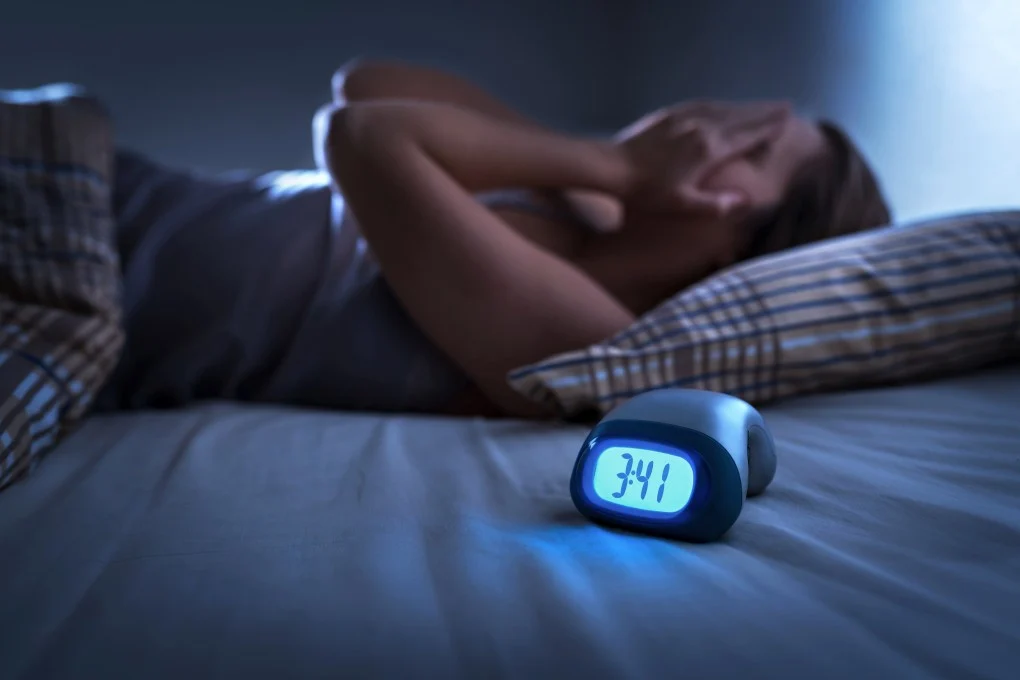
Some people lie awake for a long time before falling asleep. Others fall asleep normally but wake several times during the night. Another person may wake at 4 AM and find that their brain suddenly becomes active.
Common experiences include:
1. You Can’t Fall Asleep
You go to bed feeling tired but remain awake for a long time.
You may repeatedly check the clock, think about tomorrow, replay conversations, or worry about why you aren’t sleeping.
2. You Keep Waking Up
You may fall asleep without difficulty but wake several times during the night.
Sometimes these awakenings are brief. In other cases, you may remain awake for long periods.
3. You Wake Up Too Early
You wake earlier than intended and can’t return to sleep.
For example, you may regularly wake at 4 or 5 AM even though you don’t need to get up until much later.
4. You Don’t Feel Rested
Even after spending enough time in bed, you may wake feeling as though you barely slept.
5. Your Daytime Functioning Changes
Poor sleep can affect concentration, mood, energy and your ability to perform normal daily activities.
If several of these problems occur regularly, learning about the [early signs of insomnia] can help you recognize patterns worth discussing with a healthcare professional.
What Causes Insomnia?
There isn’t always one single cause.
Insomnia can develop because of stress, changes in your sleep schedule, lifestyle habits, medical conditions, medications, mental health conditions, environmental factors, or other sleep disorders.
Common contributors include:
Stress
Work, financial concerns, relationship problems, family responsibilities and major life changes can make it harder to switch off at night.
Anxiety and Racing Thoughts
Your body may be tired while your mind remains active.
Thinking about tomorrow, worrying about problems, or repeatedly asking yourself whether you’ll fall asleep can make bedtime more difficult.
Irregular Sleep Schedule
Going to bed and waking at very different times can interfere with your body’s sleep-wake rhythm.
This can happen with shift work, frequent travel, late nights, weekend schedule changes or inconsistent daily routines.
Caffeine
Caffeine can interfere with sleep, particularly when consumed later in the day.
Coffee isn’t the only source. Tea, energy drinks, cola and some medications can also contain caffeine.
Alcohol
Alcohol can make some people feel sleepy initially, but it can also disrupt sleep later in the night.
Nicotine
Nicotine is a stimulant and can interfere with sleep.
Screens and Electronic Devices
Phones, tablets, computers and televisions can contribute to bedtime problems through stimulating content, mental engagement and exposure to light.
Naps
Long or late-afternoon naps may make it harder to become sleepy at bedtime.
Bedroom Environment
Noise, light, uncomfortable temperatures and other environmental disturbances can interfere with sleep.
Medical Conditions
Pain, breathing problems, hormonal changes and other medical conditions may contribute to sleep difficulties.
Medications
Some prescription and over-the-counter medicines can interfere with sleep.
If you think a medication is affecting your sleep, don’t stop taking it without discussing it with your healthcare professional.
Other Sleep Disorders
Insomnia-like symptoms can sometimes occur alongside other sleep disorders, including sleep apnea, restless legs syndrome and circadian rhythm disorders.
This is one reason persistent sleep problems shouldn’t automatically be assumed to be “just insomnia.”
What Are the Types of Insomnia?
Insomnia can be described in several ways.
Acute Insomnia
Acute insomnia is short-term sleep difficulty.
It can occur after events such as:
- Stress
- Travel
- Illness
- Changes in routine
- Environmental changes
- Major life events
For some people, sleep returns to normal once the trigger passes.
Chronic Insomnia
Chronic insomnia is a longer-lasting problem.
A commonly used clinical definition involves difficulty sleeping at least three nights per week for three months or longer, with associated daytime consequences and without the problem being fully explained by another condition.
Chronic insomnia deserves attention because simply hoping it will disappear may not address the factors keeping the problem going.
Onset Insomnia
This describes difficulty falling asleep.
You may go to bed at a reasonable time but remain awake for a prolonged period.
Maintenance Insomnia
This describes difficulty staying asleep.
You may fall asleep normally but wake repeatedly or remain awake for significant periods during the night.
Early-Morning Awakening
Some people wake much earlier than planned and cannot return to sleep.
A person can experience more than one pattern at the same time.
How Is Insomnia Diagnosed?
There isn’t usually one single test that proves someone has insomnia.
A healthcare professional may ask about:
- Your sleep schedule
- How long you’ve had sleep problems
- How often the problem occurs
- How long it takes you to fall asleep
- How often you wake during the night
- When you wake in the morning
- How rested you feel
- Daytime sleepiness
- Caffeine and alcohol use
- Medications
- Exercise
- Stress and mental health
- Snoring or breathing problems during sleep
A sleep diary can be particularly useful.
For one to two weeks, you may record when you go to bed, approximately when you fall asleep, nighttime awakenings, wake-up time, naps, caffeine and how you feel during the day.
In some situations, additional testing may be recommended to look for another sleep disorder or medical condition.
When Should You See a Doctor?
Consider speaking with a healthcare professional if sleep problems:
- Keep happening repeatedly
- Are affecting work, school or daily activities
- Cause significant daytime sleepiness
- Affect concentration or mood
- Continue despite improving your sleep habits
- Occur with loud snoring or breathing interruptions
- Occur with unusual nighttime movements
- Are associated with significant anxiety or depression
You don’t have to wait until sleep problems become severe before asking for help.
How Is Insomnia Treated?
Treatment depends on the underlying cause and the type and duration of the sleep problem.
1. Cognitive Behavioral Therapy for Insomnia
CBT-I is one of the most important evidence-based treatments for chronic insomnia.
Rather than simply trying to make you sleepy, CBT-I addresses the thoughts, behaviors and habits that can maintain insomnia.
It may include:
- Cognitive therapy
- Stimulus control
- Sleep restriction therapy
- Relaxation techniques
- Sleep education
- Strategies for changing unhelpful beliefs about sleep
CBT-I is typically delivered over multiple sessions and may be provided in person, remotely or through certain digital programs.
2. Improve Your Sleep Routine
A consistent sleep schedule can help reinforce your body’s sleep-wake rhythm.
Try to maintain relatively consistent times for going to bed and getting up.
3. Create a Sleep-Friendly Bedroom
Aim for a bedroom that is:
- Cool
- Dark
- Quiet
- Comfortable
Reduce unnecessary noise and light where possible.
4. Be Careful With Caffeine
If you struggle with sleep, consider limiting caffeine later in the day.
Remember that caffeine can come from more than coffee.
5. Avoid Heavy Late-Night Stimulation
Give yourself time to wind down before bed.
Reading, quiet music, relaxation exercises or another calming routine may help you transition toward sleep.
6. Exercise During the Day
Regular physical activity can support healthy sleep.
However, some people find vigorous exercise immediately before bedtime stimulating, so timing may matter.
7. Be Careful With Naps
If nighttime sleep is difficult, long or late naps may make the problem worse.
8. Don’t Rely on Sleeping Pills Without Medical Advice
Sleep medications can be appropriate for some people, but they aren’t suitable for everyone and can have side effects or interactions.
Over-the-counter sleep aids and supplements aren’t automatically safe simply because they’re available without a prescription.
Talk with a healthcare professional before using medication or supplements specifically for insomnia.
What Is CBT-I and Why Is It Important?
CBT-I stands for Cognitive Behavioral Therapy for Insomnia.
It focuses on changing the cycle of thoughts and behaviors that can contribute to persistent insomnia.
For example, someone who has struggled with sleep for months may begin to associate their bed with frustration and worry.
They may go to bed early because they are afraid of being tired tomorrow. Then they spend hours awake in bed, watching the clock and worrying.
CBT-I can address these patterns through structured behavioral and cognitive techniques.
The American Academy of Sleep Medicine recommends CBT-I as a strong behavioral treatment option for adults with chronic insomnia.
Can Insomnia Go Away on Its Own?
Sometimes short-term insomnia improves when the trigger disappears.
For example, sleep may improve after a temporary period of stress or after returning to a normal schedule following travel.
However, persistent insomnia may become a repeating cycle.
A person may begin worrying about sleep, changing their schedule, spending excessive time in bed, or developing habits that unintentionally reinforce the problem.
That’s why ongoing insomnia deserves attention rather than simply being ignored.
Is Insomnia Serious?
Insomnia can affect much more than nighttime sleep.
Poor sleep may affect:
- Concentration
- Memory
- Mood
- Energy
- Work performance
- Driving safety
- Quality of life
Long-term insomnia is also associated with a range of health problems.
However, having an occasional bad night does not mean that you have a serious sleep disorder.
The important factors are persistence, frequency and how much the problem affects your daily life.
Insomnia vs. Occasionally Sleeping Badly
Everyone has nights when sleep doesn’t go well.
You might sleep badly before an exam, important meeting, flight, stressful event or after drinking too much caffeine.
That doesn’t necessarily mean you have insomnia.
Insomnia becomes more concerning when sleep difficulties happen repeatedly and have a noticeable effect on daytime functioning.
What Can You Do Tonight If You Can’t Sleep?
If you’re lying awake tonight, try not to turn sleep into a competition.
Instead:
- Keep the room comfortable, dark and quiet.
- Avoid repeatedly checking the clock.
- Put away stimulating devices.
- Try slow breathing or another relaxation technique.
- If you remain awake and frustrated, consider getting out of bed and doing something quiet in dim light until you feel sleepy.
- Return to bed when you feel ready to sleep.
The goal isn’t to force sleep.
The more pressure you put on yourself to fall asleep immediately, the more alert you may become.
For more practical strategies, read our guide on [how to fall asleep faster].
Frequently Asked Questions About Insomnia
Is insomnia the same as not getting enough sleep?
No.
Not getting enough sleep can happen because someone doesn’t allow enough time for sleep. Insomnia involves difficulty sleeping despite having an appropriate opportunity and environment for sleep.
How many hours of sleep is considered insomnia?
There isn’t a single number of hours that automatically means someone has insomnia.
The quality and continuity of sleep, how often the problem occurs, how long it has lasted and its effect on daytime functioning all matter.
Can stress cause insomnia?
Yes. Stress is a common contributor to sleep problems.
If stress or anxiety is keeping you awake regularly, you may also want to learn more about [anxiety and insomnia].
Is chronic insomnia treatable?
Yes. Chronic insomnia can be treated, and CBT-I is an important evidence-based treatment option.
Should I take melatonin for insomnia?
Don’t assume that a supplement is automatically appropriate for persistent insomnia.
Melatonin may be useful in certain sleep-related situations, but it isn’t a universal solution for chronic insomnia. Speak with a healthcare professional about whether it is appropriate for you.
Can using my phone cause insomnia?
Phone use close to bedtime can contribute to sleep problems for some people through light exposure, stimulation and delayed bedtime.
If your phone is part of your nighttime routine, read our upcoming guide on [using your phone before bed and insomnia].
When is insomnia considered chronic?
A commonly used clinical definition is insomnia occurring at least three nights per week for at least three months, accompanied by daytime impairment and not fully explained by another condition.
Final Thoughts
Insomnia is more than simply having an occasional bad night.
It can involve difficulty falling asleep, staying asleep, waking too early or feeling unrefreshed despite having enough opportunity to sleep.
Stress, anxiety, irregular schedules, caffeine, alcohol, medications, medical conditions, environmental factors and other sleep disorders can all contribute.
For occasional sleep problems, improving your sleep routine and addressing obvious triggers may help.
For persistent or chronic insomnia, professional evaluation can be worthwhile. CBT-I is an established treatment option and is particularly important for chronic insomnia.
Most importantly, don’t assume you simply have to live with poor sleep.
Understanding what’s keeping you awake is the first step toward improving your sleep.
Medical note: This article is for general educational purposes and isn’t a substitute for diagnosis or treatment from a qualified healthcare professional. Persistent, severe or worsening sleep problems should be discussed with a healthcare professional.
Leave a Reply